Dominican tourism and its evolution during a decade.


This is a detailed analysis of tourism in the Dominican Republic during the last decade 2009-2019, including data on the global context, tourism in the country, the hotel industry and much more. We hope that this study is very useful to understand the evolution and impact of tourism in the Dominican Republic.
Here are some questions that could generate interest and reflection in your report;
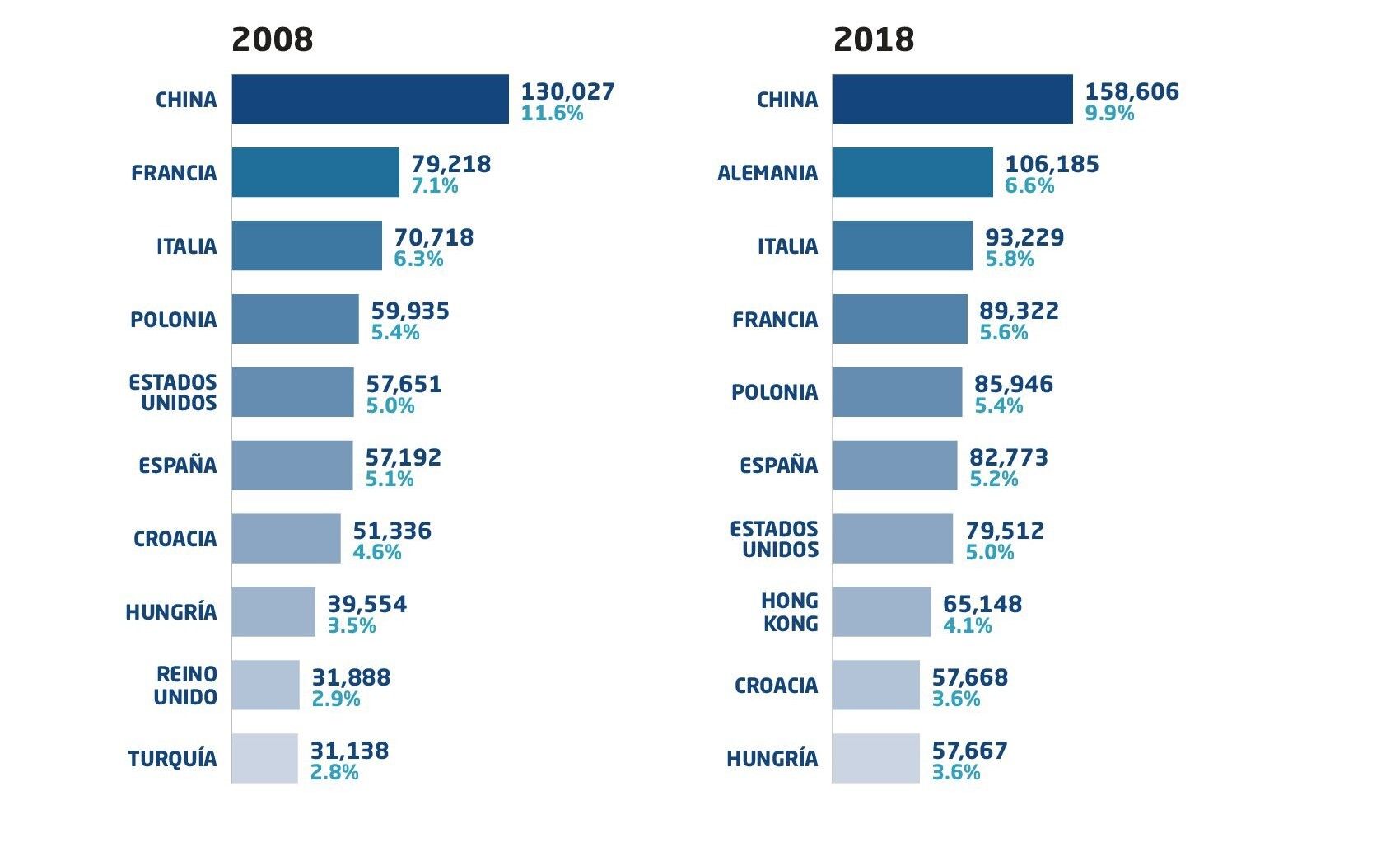
What are the main sources of tourism to the Dominican Republic during the period analyzed?
Before you start looking for a home, it's important to know how much you can afford. This involves evaluating your income, expenses, and credit score. Lenders typically use a debt-to-income ratio to determine how much you can borrow. Use online calculators or consult with a mortgage professional to get an estimate of your budget.
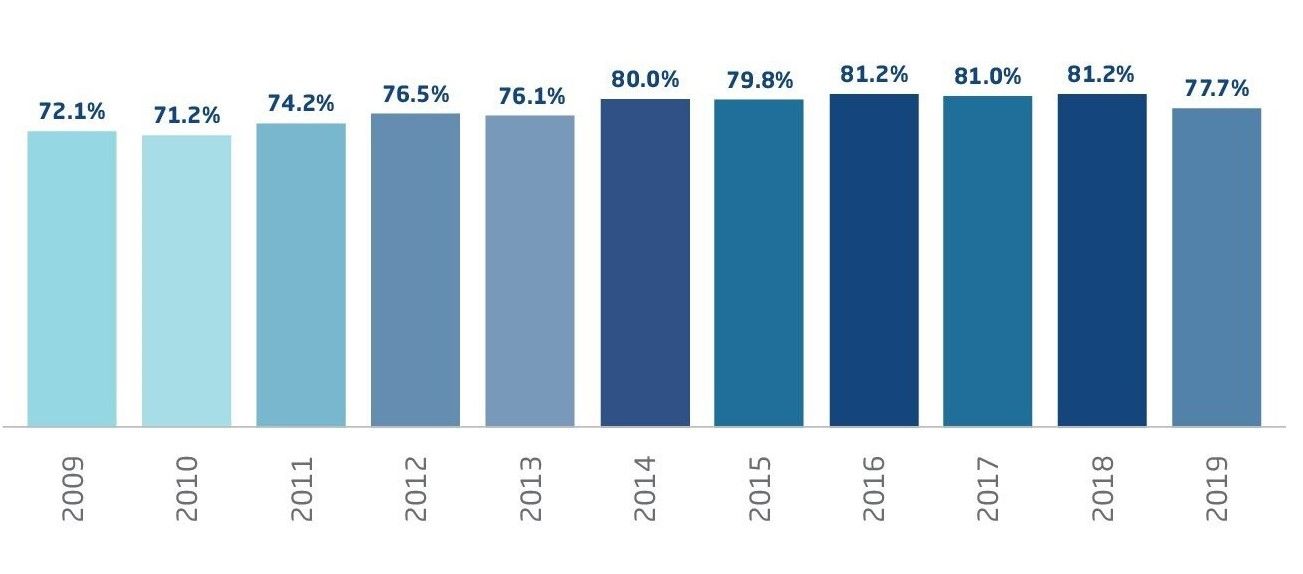
What trends are observed in the hotel industry of the Dominican Republic in terms of profitability and occupancy?
The data shows that the average hotel occupancy rate in the Dominican Republic has been on an upward trend since 2009, with some ups and downs along the way. In 2011, the hotel occupancy rate increased significantly due to improvements in the political, economic, and social spheres at the international level, as well as an increase in the arrival of non-resident foreigners. In 2014, the hotel occupancy rate also increased due to the economic recovery of emerging markets, the good value for money of the offer, local agricultural production, and the entry of new hotel chains into the market.
However, in 2017, the hotel occupancy rate decreased due to the arrival of Hurricane Irma and Maria, which affected the average hotel occupancy during that period. In 2019, the hotel occupancy rate also decreased due to a lower arrival of tourists and a reduction in non-resident foreigners who chose to stay in hotels.
Regarding profitability, the study does not provide specific data on the profitability of the hotel industry in the Dominican Republic.
What has been the impact of tourism on the economy of the Dominican Republic over the last decade?
Tourism has contributed directly, indirectly, and induced to the country's Gross Domestic Product (GDP), feeding value chains and generating employment and foreign exchange.
The study highlights that national and international investments in the tourism sector, together with the support of the public sector, have consolidated the Dominican Republic as the best tourist destination in the Americas and the most visited in the region for consecutive years. This has generated a positive impact on the country's economy, driving GDP growth, job creation in sectors related to tourism, and foreign exchange generation through the arrival of international tourists.
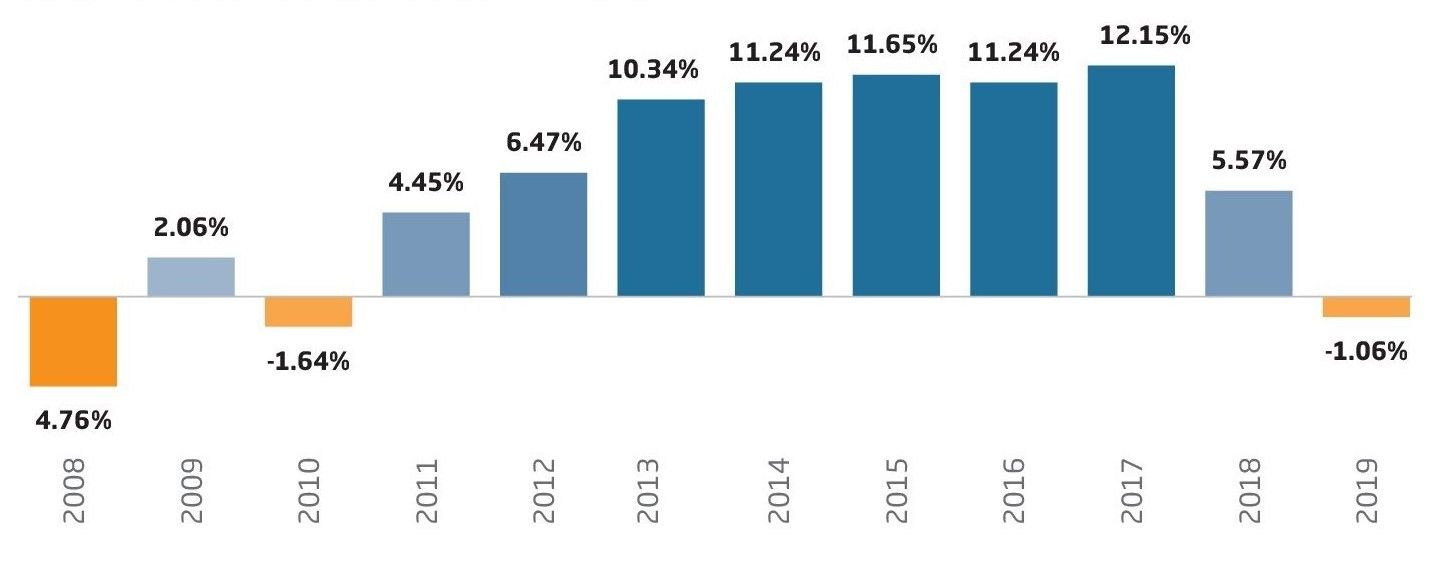
In addition, tourism has been a driver for the development of infrastructure, services, and complementary activities, which has benefited various industries and sectors of the Dominican economy. However, it is important to keep in mind that tourism can also be vulnerable to external factors, such as economic crises, natural disasters, and negative campaigns, such as the one that occurred in 2019, which can have a negative impact on the country's economy.
In summary, tourism has had a significant impact on the economy of the Dominican Republic over the past decade, contributing to economic growth, job creation, and foreign exchange attraction, although it has also faced challenges that have affected its performance at certain times.

Some of the international hotel companies that have had a presence in the Dominican Republic include globally recognized brands such as Marriott International, Hilton Hotels & Resorts, Meliá Hotels International, Barceló Hotel Group, Iberostar Hotels & Resorts, among others. These companies have significantly contributed to the development and expansion of the tourism sector in the Dominican Republic, bringing both investment and experience in hotel management.
In addition to the hotel sector, other international companies have ventured into areas such as restaurants, entertainment, transportation, and tourism infrastructure in the Dominican Republic.
It is important to note that the presence of international companies in the Dominican Republic may have evolved since the publication of the document, so it is recommended to consult updated sources for detailed information about the international companies operating in the country.
What are the most important and high-impact points of tourism in the Dominican Republic?
Some of the most important and impactful points that can be highlighted are:
1. Tourism has been a key driver for economic growth in the Dominican Republic, contributing directly, indirectly, and induced to the country's Gross Domestic Product (GDP).
2. Tourism has generated employment in sectors related to the industry, such as transportation, catering, and construction, among others.
3. Foreign investment in the hotel sector has been a key factor in the development of tourism in the Dominican Republic.
4. Tourism has had a multiplier effect on the economy, generating purchases in different sectors of the economy, such as transportation, agriculture, professional services, among others.
5. The Dominican Republic has consolidated itself as the best tourist destination in the Americas and the most visited in the region for consecutive years.
6. Tourism has been one of the three main drivers of national macroeconomic sustainability.
7. COVID-19 has had a significant impact on tourism and the economy of the Dominican Republic, but the industry is expected to recover as the effects of the pandemic are brought under control.
In summary, it highlights the importance of tourism in the economy of the Dominican Republic, its impact on economic growth, job creation, and foreign exchange attraction, as well as the challenges facing the industry in times of crisis such as the COVID-19 pandemic.
What are the laws that reflect advantages and disadvantages of investments in the tourism sector in the Dominican Republic?
Some of the laws and regulations that could reflect advantages for investments in the tourism sector include:
1. Tourism Development Incentives Law: This law provides tax incentives and benefits for tourism development projects, including tax exemptions, import facilities for goods and equipment, and other incentives designed to promote investment in the tourism sector.
2. Foreign Investment Law: The Dominican Republic has a foreign investment law that establishes a legal framework for foreign investment in the country, protecting the rights of investors and providing guarantees for the repatriation of capital and profits.
3. Tourism Zones Law: This law establishes special provisions for the development of tourism zones, including incentives and facilities for investment in tourism projects in areas designated as tourism zones.
As for the possible disadvantages, the report does not specifically detail laws that reflect disadvantages for investments in the tourism sector. However, it is important to keep in mind that, as in any country, there are challenges and legal considerations that investors must take into account when operating in the tourism sector of the Dominican Republic, such as labor, environmental, tax, and property regulations.
It is important to note that information on laws and regulations may have evolved since the publication of the report, so it is recommended to consult updated sources or specialized legal advice to obtain detailed information on the laws and regulations that affect investments in the tourism sector in the Dominican Republic.

The cruise industry in the Dominican Republic and the benefits it generates.
Some of the relevant data includes:
1. Cruise arrivals growth: Cruise arrivals to the Dominican Republic have experienced significant growth in the period analyzed, from 496,728 cruise passengers in 2009 to one million in 2017, an increase of 124%.
2. Economic contribution: In 2017, the cruise industry generated a contribution of US$238.6 million to the Dominican economy, an increase of 44.6% over the previous year.
3. Job creation: Cruise activity has generated a total of 4,052 direct jobs in the Dominican Republic.
4. Cruise ports: The Dominican Republic has ports in Santo Domingo, La Romana, Puerto Plata, Samaná, and Punta Cana, representing the largest availability of cruise destinations in the Caribbean.
These statistics reflect the significant impact of the cruise industry in the Dominican Republic, both in terms of economic contribution and job creation. In addition, the report highlights the economic importance of this subsector and how the creation of new ports has reactivated the flow of cruise passengers, generating significant economic resources for the cities they visit.
If you need more detailed or updated information on statistics related to the cruise industry in the Dominican Republic, I would recommend consulting official sources from the Dominican government or specialized reports on the tourism sector.
Amber Cove: Located in Puerto Plata, on the north coast of the Dominican Republic, Amber Cove has been identified as the port with the highest passenger traffic. In 2019, it received 653,106 cruise passengers, representing 59.5% of the total cruise passengers who arrived in the country.
As for the specific revenue generated by a cruise ship upon arrival in the country, the report does not provide specific data on this aspect. However, it is mentioned that in 2017, the cruise industry generated a contribution of US$238.6 million to the Dominican economy. These revenues can come from a variety of sources, including port fees, passenger spending on excursions, shopping, and ground services, among others.
What impact do the travel agency and activities have on tourism in the Dominican Republic?
If your application meets the lender's criteria and the property appraisal is satisfactory, you'll receive a loan approval. This means the lender is willing to fund your mortgage. The next step is closing, where you'll sign the final paperwork, pay closing costs, and officially become a homeowner.

What has the country's historical trajectory of economic stability been like and how has it positively affected real estate investments?
The Dominican Republic has experienced a historical trajectory of economic stability in recent decades, which has positively contributed to the growth of the real estate and tourism sectors in the country. Here is a summary of the historical trajectory of economic stability and its impact on real estate investments:
Economic stability: In recent decades, the Dominican Republic has managed to maintain relative economic stability, with an average annual GDP growth of 5.1% between 2010 and 2019. In addition, the country has maintained a relatively low and stable inflation rate, with an average annual rate of 3.2% between 2010 and 2019. These factors have contributed to creating a favorable environment for investments in the country.
Impact on real estate investments: Economic stability has been a key factor in the growth of the real estate and tourism sectors in the Dominican Republic. Foreign direct investment in the real estate sector has experienced extraordinary growth in recent years, being consistent with the increase in investment in the tourism sector. In addition, investment in real estate activities has allowed the creation of new tourist complexes and hotels in the country, which has contributed to the increase in the supply of accommodation for tourists.
In summary, the historical trajectory of economic stability in the Dominican Republic has been a key factor in the growth of the real estate and tourism sectors in the country. Foreign direct investment in the real estate sector has experienced significant growth in recent years, which has allowed the creation of new tourist complexes and hotels in the country.
Does a hotel investment help increase the increase in tourists and economic growth for the Dominican Republic?
Yes, hotel investment has been a key factor in the growth of tourism and economic growth in the Dominican Republic. The construction of new hotels and resorts has helped to increase the supply of accommodation for tourists, which has contributed to attracting more visitors to the country and generating employment and economic growth. Here are some examples of hotel investments that have had a positive impact on tourism and the economy of the Dominican Republic:
Investment in Punta Cana: Punta Cana is one of the most important tourist destinations in the Dominican Republic and has been the subject of major hotel investments in recent years. In 2019, the Grand Fiesta Americana Punta Cana hotel opened, with 554 rooms and is one of the largest hotels in the area [Source: Caribbean Journal]. In addition, in 2020 the construction of a new AMResorts hotel in Punta Cana was announced, which will have 3,000 rooms and will be one of the largest hotels in the Caribbean [Source: Travel Weekly].
Investment in Santo Domingo: The capital of the Dominican Republic has also been the subject of major hotel investments in recent years. In 2014, the JW Marriott Santo Domingo hotel opened, with 150 rooms and is one of the most luxurious hotels in the city [Source: Caribbean Journal]. In addition, in 2019 the Embassy Suites by Hilton Santo Domingo hotel opened, with 150 rooms and is one of the most modern hotels in the city [Source: Caribbean Journal].
Investment in La Romana: La Romana is another important tourist destination in the Dominican Republic that has been the subject of major hotel investments in recent years. In 2016, the Casa de Campo Resort & Villas hotel opened, with 185 rooms and is one of the most luxurious hotels in the area [Source: Caribbean Journal]. In addition, in 2019 the Hilton La Romana hotel opened, with 412 rooms and is one of the largest hotels in the area [Source: Caribbean Journal].
In conclusion, hotel investment has been a key factor in the growth of tourism and economic growth in the Dominican Republic. The construction of new hotels and resorts has helped to increase the supply of accommodation for tourists, which has contributed to attracting more visitors to the country and generating employment and economic growth.
What has been the direct and indirect economic impact of tourism in the Dominican Republic between 2009 and 2019, in terms of employment generation, tax revenue and infrastructure development?

The economic impact of tourism in the Dominican Republic between 2009 and 2019, including job creation, fiscal revenue, and infrastructure development, was significant. The following is a summary of the most relevant data:
Job creation: Tourism has had a significant impact on job creation in the Dominican Republic. According to the report, the tourism sector has been the country's main job creator, contributing to the creation of an average of 245,000 direct jobs and 570,000 indirect jobs annually between 2011 and 2019.
Fiscal revenue: Tourism has made a significant contribution to the country's fiscal revenue. The report highlights that the tourism sector has represented around 10% of the total fiscal revenue of the Dominican Republic during the period analyzed, which has contributed to the financing of development programs and projects.
Infrastructure development: The growth of tourism has driven infrastructure development in the Dominican Republic. Between 2012 and 2017, around 12,700 new hotel rooms were added and more than 20 hotels were opened in the country, which has contributed to the development of tourism infrastructure and the improvement of the offer of accommodation for visitors.
In conclusion, tourism has had a significant direct and indirect economic impact in the Dominican Republic between 2009 and 2019, contributing to job creation, the country's fiscal revenue, and the development of tourism infrastructure. These data reflect the importance of tourism as a driver of economic growth and development in the Dominican Republic.
It is possible to infer some common strategies used by tourist destinations to promote themselves internationally, which could have been implemented by the Dominican Republic:
1. International media campaigns: The Dominican Republic could have carried out international media campaigns, including advertisements in specialized magazines, television programs, social media, and other digital media to increase the country's visibility as a tourist destination.
2. Participation in tourism fairs and events: Participation in international tourism fairs and events is a common strategy for promoting a destination. The Dominican Republic could have participated in tourism fairs and specialized events to promote its tourist attractions and establish contacts with international tour operators and travel agents.
3. Strategic alliances with airlines and tour operators: The Dominican Republic could have established strategic alliances with international airlines and tour operators to promote tourism packages and facilitate the air access of tourists to the country.
4. Tourism content development: The creation of attractive tourism content, such as promotional videos, tourist guides, and informative material, is essential to attract the attention of potential international visitors.
As for the effectiveness of these strategies, it would be necessary to collect specific data on the impact of promotion and marketing campaigns on the increase in the flow of international tourists to the Dominican Republic during the period of time analyzed.
How have global events such as economic crises, natural disasters or pandemics impacted the tourism industry of the Dominican Republic during the period analyzed?

Here are some examples of how these events have affected the tourism industry in the Dominican Republic, based on 2009-2019 data:
1. Economic crises: During the global economic crisis of 2008-2009, the arrival of tourists to the Dominican Republic decreased by 3.6%. However, the tourism industry quickly recovered and experienced sustained growth in the years that followed.
2. Natural disasters: In 2017, Hurricane Irma affected several tourist destinations in the Caribbean, including the Dominican Republic. Despite the fact that the country did not suffer significant damage, the arrival of tourists decreased by 1.2% compared to the previous year. However, the tourism industry quickly recovered and experienced sustained growth in the years that followed.
3. Pandemics: In 2014, the Ebola epidemic in West Africa affected the arrival of tourists to the Dominican Republic, with a decrease of 0.3% in the arrival of tourists compared to the previous year. In 2020, the COVID-19 pandemic had a significant impact on the tourism industry in the Dominican Republic, with a decrease of 62.8% in the arrival of tourists compared to the previous year. The pandemic also affected the motivation and behavior of travelers, with an increase in the motivation to visit friends and enjoy outdoor activities.
In conclusion, during the period 2009-2019, the tourism industry in the Dominican Republic has been impacted by several global events, such as economic crises, natural disasters, and pandemics. Despite these impacts, the tourism industry has quickly recovered and has experienced sustained growth in the years that followed.

What lessons can the Dominican Republic learn from its tourism evolution between 2009 and 2019 to continue strengthening its tourism industry in the future?
Several important lessons can be drawn for the Dominican Republic in order to continue to strengthen its tourism industry in the future:
1. Diversification of the tourism offer: During the analyzed period, a significant growth was observed in adventure tourism, ecotourism, and cultural tourism in the Dominican Republic. These trends suggest the importance of continuing to diversify the tourism offer to attract different segments of tourists and reduce the dependence on a single type of tourism.
2. Sustainable development: Environmental and social sustainability has become a crucial factor in the tourism industry worldwide. The Dominican Republic can learn from its tourism evolution to continue strengthening sustainable practices, preserving its natural and cultural resources, and promoting responsible tourism.
3. Adaptation to market changes: The tourism industry is subject to constant changes, such as economic fluctuations, health crises, and changes in tourists' preferences. The Dominican Republic can learn to be prepared to adapt to these changes, diversify its source markets, and develop flexible and effective promotion strategies.
4. Improvement of tourism infrastructure and services: The growth of tourism in the Dominican Republic has highlighted the importance of continuing to invest in tourism infrastructure, such as airports, roads, hotels, and quality tourism services to ensure a positive experience for visitors.
5. Promotion and reputation management: Reputation management and the positive promotion of the destination are essential to attract tourists. The Dominican Republic can learn to manage image crises and promote its attractions effectively, highlighting its strengths and addressing potential challenges.
In conclusion, the Dominican Republic can learn from its tourism evolution between 2009 and 2019 to continue to strengthen its tourism industry in the future by diversifying the offer, sustainable development, adaptation to market changes, improvement of tourism infrastructure and services, and promotion and reputation management of the destination. These lessons can contribute to maintaining the competitiveness of the country as a tourist destination in the long term.
Because of these lessons, Ariana Guilak, a 29-year-old American tourist, was the 10 millionth tourist to visit the Dominican Republic in 2023. Guilak arrived in the country on December 26, 2023 on American Airlines flight AA 2638, from Miami.
The young woman was received by the Minister of Tourism, David Collado, and the founder of Grupo Punta Cana, Frank Rainieri, along with other officials in the sector.
Guilak's arrival marked an unprecedented milestone in tourism in the country and the entire region. Being his first time visiting the country.